
Bendigo community and environment clearly benefiting from Dja Dja Wurrung cultural knowledge
We start off a series of interviews with DJAARA staff, kicking it off with CEO Cassandra Lewis, exploring key initiatives being implemented for the benefit of the entire community and environment
Posted by: Charles
Published: 9 November 2026
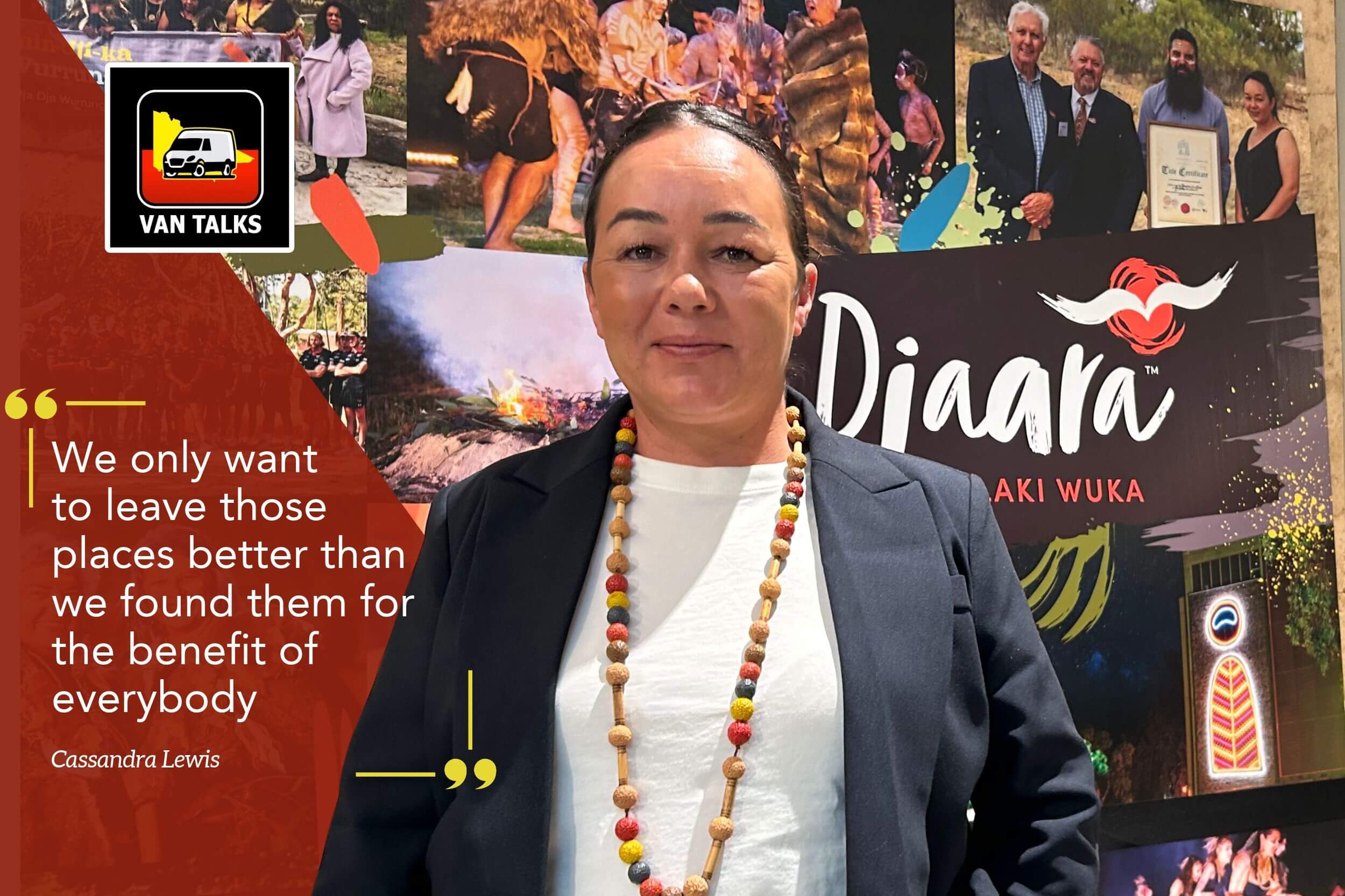
Traditional owners are driving a new era of land and water management across central Victoria, proving that healing Country benefits the entire community.
At the forefront is DJAARA, the Dja Dja Wurrung Clans Aboriginal Corporation. Under CEO Cassandra Lewis, the organisation is moving past basic consultation into true self-determination.
“We’re ready. We have the knowledge. We have the capability. We need to be empowered to lead,” Ms Lewis said.
From forest gardening and cultural fire to restoring waterways like Gatjin, DJAARA combines ancient knowledge with modern science. A prime example is the landmark five-year Yilingga Marna agreement with the City of Greater Bendigo. This pact ensures traditional owners are involved at the earliest stages of planning rather than at the regulatory finish line.
Recent triumphs include the revitalisation of the long-fenced municipal baths. Once closed off since the 1980s, the central site now features a flourishing wetland and reintroduced native river blackfish.
“We’ve done our time in consulting. We’re past that,” Ms Lewis said, noting the maturity and sophistication of DJAARA’s partnerships.
Other high-profile projects include the Bendigo Creek restoration and a stunning new weaving facade by Aunty Marilyn Nicholls at the Bendigo Art Gallery. These initiatives do more than heal the landscape; they reconnect the broader public with nature.
“The work that DJAARA does and contributes to is never really solely just for us, because it’s all about healing country, healing water, providing healthier spaces for community,” Ms Lewis explained.
As DJAARA continues to build robust alliances, the message is clear. Active stewardship safeguards the environment against natural disasters, creating a healthier future for generations to come.
Charles Pakana: For many years, DJAARA, representing the Dja Dja Wurrung people, has worked with the broader community, government, and key stakeholders on bringing self-determination into modern reality. Over the next several months, we’ll be highlighting here on Victorian Aboriginal News just some of those innovations. And to start the conversations off, I’m joined on the program today by the CEO of DJAARA, Cassandra Lewis. Cassandra, thanks for joining me on the program today.
Cassandra Lewis: Thanks so much for having me. Lovely to see you again.
Charles: Last time we spoke, you were the interim CEO, and now the newly minted full-time CEO. How does that sit with you?
Cassandra: Look, it’s very exciting. It’s a big responsibility, but I’m ready for it. I’m excited about what we can achieve together, and happy to have you here at Larnangurrak.
Charles: And there is so much that you’ve really taken on to push forward with. And DJAARA, as I’ve mentioned, has been so progressive and innovative in so many ways. And what I want to start with is the Galk-galk Dhelkunya forest gardening strategy, which has always fascinated me. Now, DJAARA is actively managing country through forest thinning, weed control, and bringing back biodiversity. Can we just talk about how this active stewardship works in practice and why putting DJAARA knowledge at the centre changes the health of the bushlands?
Cassandra: Galk-galk Dhelkunya is much more than a just a land management programme. It’s DJAARA’s way of understanding and caring for country as a living landscape, a living cultural landscape. And in practice, we begin by listening and understanding what that particular place needs. It can’t be just a blanket application. It might require cultural thinning where past disturbance has created dense regrowth. It might involve Djandak wei, cultural fire, using the right fire at the right time, in the right place. And it can also include, as you said, weed and pest management, restoring culturally important plants, improving habitats, caring for water, for Gatjin, and sometimes simply giving country the space it needs to regenerate. And these are not separate interventions; they are part of one connected system.
Charles: How much of this is based on cultural knowledge and how much is based on modern knowledge of botany and land management?
Cassandra: Our strategy speaks to the cultural knowledge, but we understand that all knowledge is powerful and all knowledge is important, and so we work with others. We work with researchers to have a good blend, to understand what country needs. We’re putting that into philosophy through practice trials, including one at Paddy’s Ranges, Tobins Track, and Babington Hill. We’ve walked the site with members, with research partners, reviewed monitoring work and camera-trap images. And what changes when DJAARA knowledge is at the centre is the starting point, and country is not treated as a collection of separate resources or as something to be managed only when a problem appears.
We look at the relationship between the people, the trees, the water, the animals, the fire, the soil, and we also use cultural and environmental indicators to understand whether the country’s healing, whether the work is being successful.
Charles: And you mentioned that it’s not just one solution fits everything. Just how much diversity is there in the country on Dja Dja Wurrung land?
Cassandra: Well, there’s an enormous amount, and there’s also been so much kind of interference and this idea that country will manage itself, and it wasn’t the way that things were done, and it’s clearly not working. You need to be in there actively managing, looking at all of the different components that make up a healthy ecosystem.
Charles: I know that we’ll talk in future interviews about land management in depth and look at specific areas such as Paddy’s Ranges and others that you mentioned. But I’m just interested the challenges that have been faced by DJAARA in bringing life back into that knowledge, because we know that right across Victoria and Australia, so much knowledge, traditional knowledge that had been handed down for tens of thousands of years, had been all but lost. So just what are some of those challenges and how does DJAARA deal with it?
Cassandra: I guess, broadly, one of the challenges is we’re not seen as the public land manager, and that’s something we’re pursuing and looking at. And then I guess the resourcing. We’re ready. We have the knowledge. We have the capability. We need to be empowered to lead, not to be brought in on parts of projects. The work that DJAARA can do, I believe, can actively intervene and prevent some of the disasters that we see in the crisis that we see through wildfire on country. But we can’t do it alone. We need to partner with others. We need to be empowered to lead.
Charles: You mentioned just then Gatjin, water. And the Gatjin program focuses heavily on healing the rivers and wetlands across Djandak, Dja Dja Wurrung country. How is DJAARA working alongside government bodies and local industries to ensure that traditional owner knowledge is actually driving the blueprint for water management?
Cassandra: You know, for DJAARA, Gatjin, or water, is not simply a commodity or research. It’s really the lifeblood of country, and I think that’s why we’re so passionate about it while we have really bold ambitions. We’ve created some practical structures around that ambition. [????] brings together water sector partners to set joint priorities, co-plan, co-invest, and co-deliver and evaluate the implementation of our Gatchun strategy.
Like with anything, DJAARA, we think in our maturity, in our capability, we can really lead and influence how water’s managed, cared for, distributed. We really think we’ve done our time in consulting. We’re past that, and we do importantly have some really strong partnerships with those in the water sector and those that have their own responsibilities for water in their roles.
Charles: What does it mean for the organisation, for the Dja Dja Wurrung people in general, to reach this point in time where now we have industries and government authorities consulting first with traditional owners before they go ahead and implement strategies and new plans?
Cassandra: Look, I think it’s something really to be proud of, and I just want to acknowledge all of the work that has been done from the beginning to have us to this point. It wasn’t always like that, and DJAARA through previous leadership and the strength of our members and our staff and our boards and all of those kinds of things have all contributed to I guess people seeing that there is value in working with traditional owners. We do have a lot of things to bring. We do have a lot of knowledge, and we contribute really positively and respectfully, while also acknowledging that water corporations, they also have a responsibility in their roles, and it doesn’t need to be one without the other. We’ve got so many examples of strong partnerships that have led to really positive outcomes.
Charles: And we will talk about many of those partnerships going forward over the next several months. But I’m just interested to pick up on something you said where it’s important that people see the value in engaging with traditional owners. The work that DJAARA is currently undertaking in land management, water, land, how important is it that these successes and these partnerships are actually broadcast out to the broader community of Bendigo and surrounding areas where they can see these are the benefits of partnering with traditional owners, and start to break apart some of those negative stereotypes that have hounded us for goodness knows how long?
Cassandra: Look, I think it’s really critical, and not just for others in the industry to encourage them to work with us, but just for the community that live and work on country. If you reflect on anything we talk about today, the last time we met, and anything into the future, all of the work benefits all those that live and work and interact with this place. The work that DJAARA does and contributes to is never really solely just for us, because it’s all about healing country, healing water, providing healthier spaces for community. So I think it’s really important that they do hear about those successes and understand that the work that we do not only will benefit them, but their grandchildren and all of those generations that come after them as well.
Charles: Yilingga Marna, the agreement between DJAARA and Bendigo City Council. Now, we covered that when the signing happened early this year. [I’d] really like to look at how the agreement is currently streamlining the interactions between DJAARA and the City of Bendigo, particularly in tackling community projects, planning, and land management.
Cassandra: I know we spoke at the start. I was trying to recall whether I’d spoken to you since that five-year signing, but you were…
Charles: It’s been a busy time for you, Cassandra…
Cassandra: …you were, in fact, at that event. Look, that’s another relationship that I’m really proud of. It started as an annual agreement, so we could, I guess, test the waters, see how it went, look at the successes, the challenges. And I think both organisations committing to a five-year extension really speaks to the strength of that agreement. I think the real achievement is that DJAARA is increasingly involved in earlier decisions affecting country rather than being brought in through a regulatory process and maybe at the end when decisions have been made.
Charles: So this is prior consent essentially.
Cassandra: Yeah, prior involvement, prior knowledge. And that earlier project notification helps DJAARA and the city address cultural heritage matters, land use activity matters, and agreements before decisions are settled. Joint training, clearer project tracking, shared implementation plans that support each other and more effective collaboration.
Charles: Just how important do you see Yilingga Marna as a template for other traditional owners and other local governments to observe and adopt?
Cassandra: Look, I think the brilliance of this agreement—and I’ve said it a few years ago: the recognition and settlement agreement was signed in 2013 and we’re now in 2026. I think over that time, DJAARA has not just said, but proven through tangible outcomes that everyone can see, that there’s so much value to working with us, and we could move away from this “we work together because we have to, because it’s a regulatory requirement”.
DJAARA’s proven our maturity, our sophistication, I think our brilliance. And this is a really good example where, I said before, I think at a NRA forum, it’s time to take the training wheels off, we’ve done it long enough, and this is a really brown example of organisations partnering because of what we can achieve together, rather than we’re forced to connect because we have to tick some boxes.
Charles: Yilingga Marna without a shadow of a doubt was a landmark agreement right across Victoria. Are you looking to follow through with other local governments on Dja Dja Wurrung country similar agreements
Cassandra: Yeah, that’s definitely the plan. Importantly for DJAARA, we don’t want to start 10, 11 agreements and work through and navigate the challenges or the unknowns. We think it is more effective to do one, really put the effort in and work through that, and then, you know, adjust over time and get the model right, and then you might move on and and see others that might be interested in being a party to it, but we like to get things right the first time and then take things forward.
Charles: So just in this Yilingga Marna—we’ll just stick with Yilingga Marna just for a short while longer. Just what is the relationship between Bendigo City Council and DJAARA itself? Are there dedicated teams working with each other on an almost permanent basis?
Cassandra: Yeah, there is. There’s an implementation coordinator that we’ve had since the beginning of the agreement, and that role works between both organisations. They’re actually co-located, so they will go and work from their space as well. And they’re the one that kind of coordinates all of the work across the organisations.
Charles: What are some of the challenges? Because you can’t tell me that it’s going smoothly all the time, Cassandra, and your smile is telling me I’m right.
Cassandra: Look, we should not pretend that a partnership agreement removes every disagreement. What it does do though is create a stronger structure for resolving issues earlier, respecting DJAARA’s rights and turning the relationship into practical outcomes for Bendigo and the wider community.
Charles: And looking forward, what are some of the projects that you hold highest hopes for in the next say 5, 10, 20 years?
Cassandra: There’s probably many, but I think one that that we’ve done some work on and and then some annual commitment to keep working on is the Bendigo Creek restoration project.
Charles: Why is that so important?
Cassandra: Well, again, it brings water, but you need the right environment for that water to flow and and to be effective, and we had done some work down at the frog ponds where the creek was rehabilitated, the right plants that belong there were put back, and you have the community who live surrounding that area, now interacting with that space in a way that they haven’t been able to for a long time, you know, the water’s clear, it’s being filtered naturally through the plants that are there, the birds are back, the insects are back, and I just think it’s a beautiful example of what can happen when DJAARA is involved and DJAARA leads projects like that.
Charles: We’ll finish off, Cassandra, with a little bit more on your Yilingga Marna, because that will set the foundation for future yarns that we’ll have with people from DJAARA. What are some of the standout practical wins or joint initiatives rolled out across the city of Bendigo under the agreement since we spoke earlier this year?
Cassandra: We’ve worked together on waterways, on major projects, strategic planning, and improving how DJAARA and the city collaborate for the benefit of community, and some examples include the Bendigo Creek restoration, the Bendigo Art Gallery. I’m not sure if you’re familiar with that. We recently had an event to launch the facade of the Bendigo Art Gallery, which is a incredible weaving artwork designed by Aunty Marilyn Nicholls.
Charles: I read the media release, but wasn’t able to get up for the event, but something we can talk about at a later point.
Cassandra: We also worked with them together on the Strathfield Town Centre project, the municipal baths, the low line and walking trails. The relationship also covers reserve management, procurement, delivery opportunities for Djandak to undertake that work to heal country.
Charles: So tell us a bit about the municipal baths, because that appears to be a fairly significant project in partnership with council.
Cassandra: So that is located quite centrally to the CBD and and the site had been completely fenced off from the public since the 1980s, and was redeveloped to prioritise ecological health and passive recreation, I guess, and rather than relying purely on Western engineering, the project embedded DJAARA’s knowledge to restore that place.
And the DJAARA design team and landscape teams were directly involved in rejuvenating the landscape and stabilising the historic dam waterway with the reintroduction of the river blackfish in partnership with DJAARA, the North Central Catchment Management Authority and the city utilised the newly created wetland ecosystem to reintroduce river blackfish, a rare and culturally significant native species that had faced localised extinction due to European settlement.
Charles: How long was this project going for?
Cassandra: Couldn’t tell you exactly, but it was some time for it to be from kind of concept to to having it realised.
Charles: Are we talking years?
Cassandra: I would say so.
Charles: Tell us how the area is being used now.
Cassandra: Again, I think there’s walking tracks, the community, the locals are now interacting with that place. It’s a place that they can go, they can take their children, they can have experiences there, and as I said, I was born around the 1980s, so that just goes to show how long it’s been since people were able to be present there and.
Charles: So that’s been cut off since the 1980s.
Cassandra: Yeah, that’s right.
Charles: So 40 years plus.
Cassandra: So that’s something I think to really be proud of and a really tangible outcome again that DJAARA’s been involved in that is of benefit to everyone. Just to reiterate that if people look into DJAARA, look at the work that we do, look at the tangible projects, the outcomes, and they will see that these are outcomes to benefit everybody. This generation and generations after that will only benefit from healthier waterways, from environments that are actively managed to reduce wildfires and and some of the natural disasters that we see today. We’re not trying to lock things up and not let anyone in. We only want to leave those places better than we found them for the benefit of everybody.
Charles: And I’m sure the same could be said for all traditional owner groups right across Victoria. Cassandra Lewis, CEO of DJAARA, thanks for your time.
Cassandra: Thank you very much.
For Radio Play:
1 - Click the Download Audio button
2 - The audio file will commence automatic play in your browser
3 - Confirm this is the file you want to use in your program
4 - Once confirmed, click the vertical elipses (3 dots) and select download
CONTACT US VIA SMS
Get in contact with us via our dedicated SMS line:
0493 222 836
3 November 2026
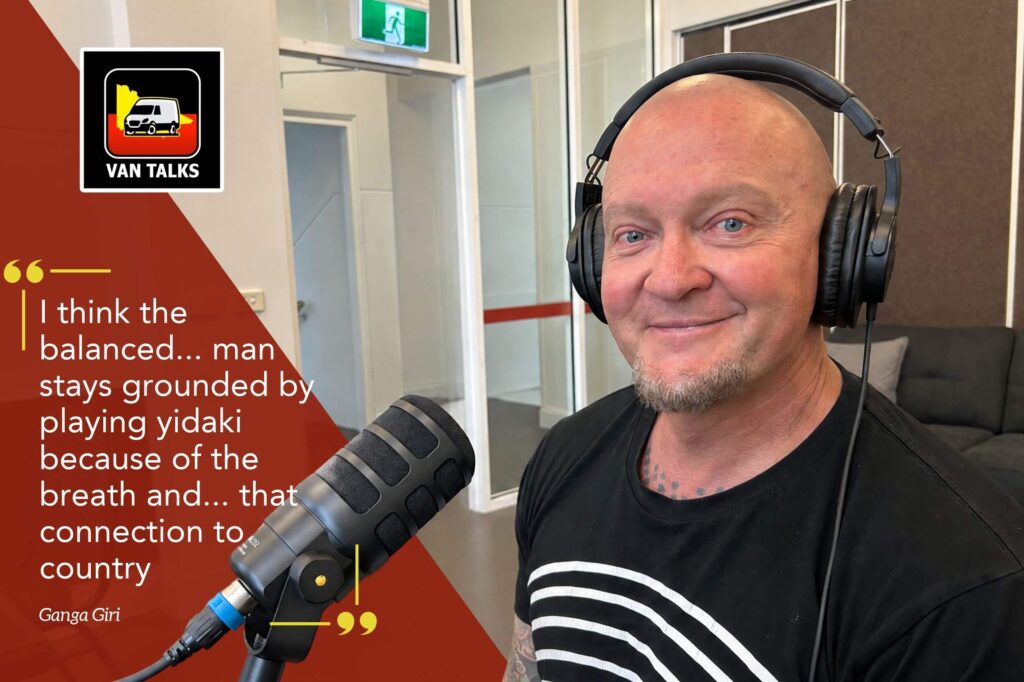
Exploring the beauty of the Yidaki with internationally acclaimed Ganga Giri
30 October 2026
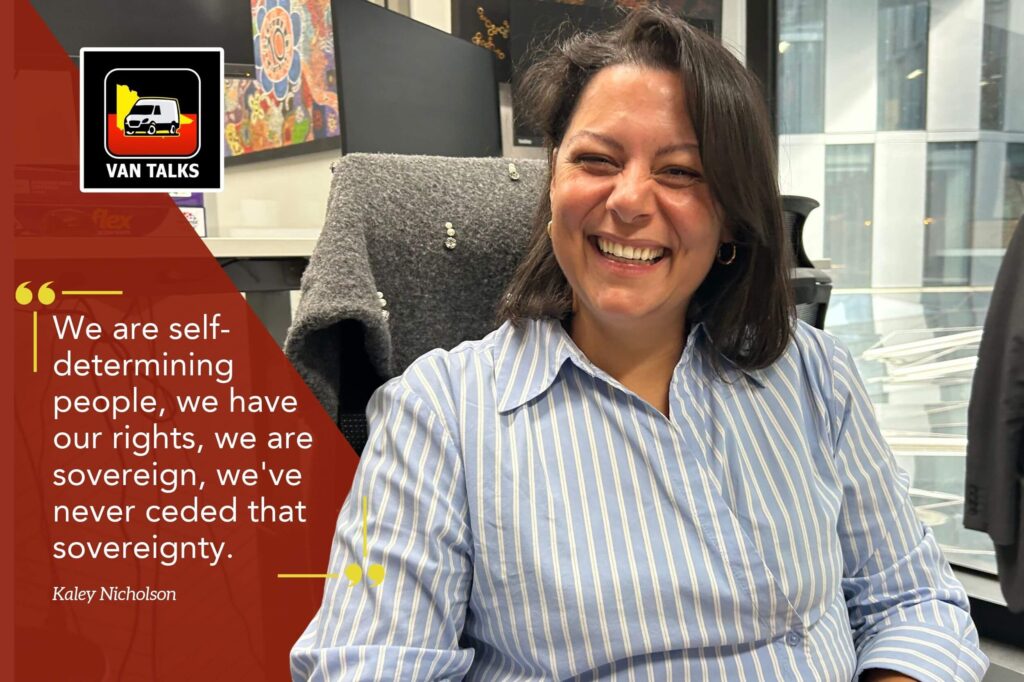
A starting conversation on UNDRIP with Kaley Nicholson, CEO of the Federation of Victorian Traditional Owners Corporation
26 October 2026
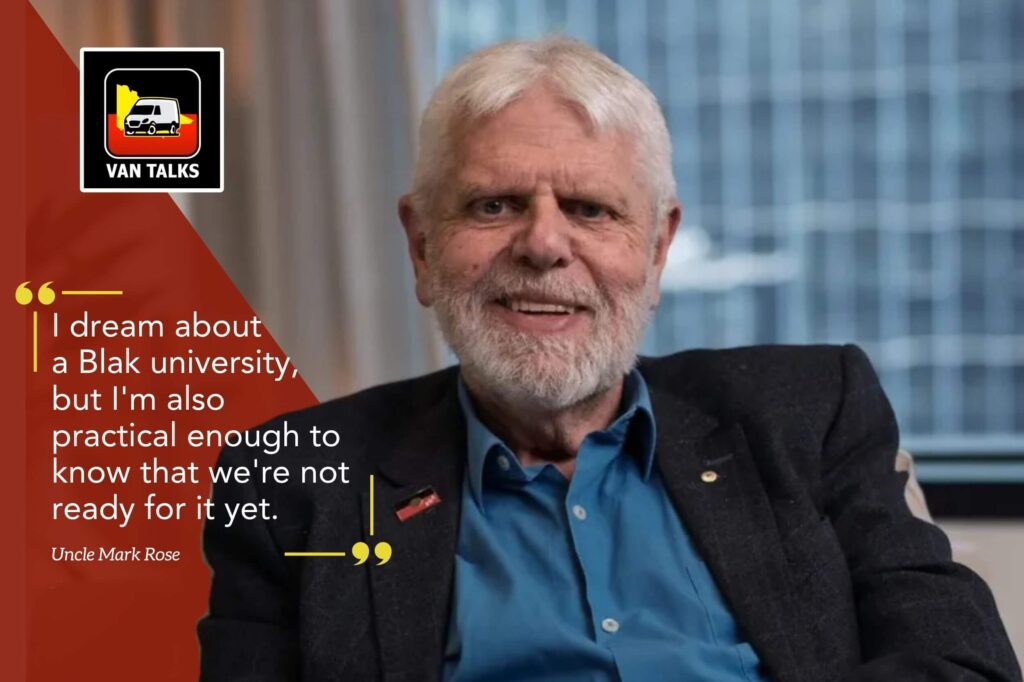
Leading the push to embed Indigenous knowledge systems in Australia’s tertiary education system
21 October 2026
Reconciliation in Seymour – one of Victoria’s highest recorded “No” vote regions
19 October 2026

0 Comments